

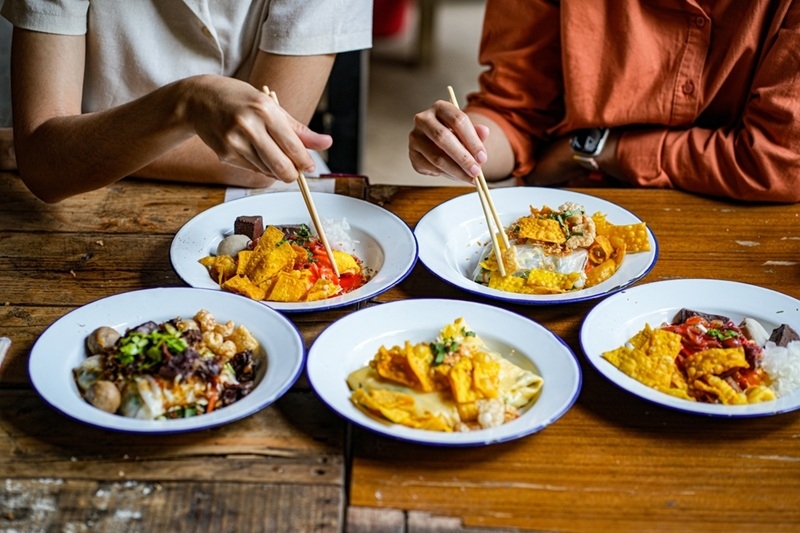
Some travelers plan trips around museums. Others plan around beaches. Food travelers? They plan around a single bite they’ve been thinking about for months. Because eating a country’s “real” dish isn’t just about taste. It’s about context. Street noise. Family-run kitchens. Spice in the air. The moment a local says, “No, no, you have to try it this way.”
That’s the magic of traditional local dishes. They aren’t random menu items. They’re edible history. Climate, trade routes, religion, farming, and family habits all packed into one plate.
This guide shares iconic dishes worth trying across different countries, plus simple tips to find the good versions and avoid tourist-trap disappointment.
A dish can taste decent anywhere. But there’s something about trying it where it was born. Ingredients are fresher. Techniques are familiar. People cook it like they’ve done it their whole life, because they have.
Also, traveling changes the senses. New smells. New textures. Different pacing. That’s why traditional local dishes often feel more intense and memorable on the road.
If someone wants to experience a place quickly, food is the shortcut. One meal can teach more about a culture than a day of guided talking.
Italy’s food reputation is huge, but the best moments often come from simplicity.
What to try:
Italy is a great example of authentic regional food because dishes shift dramatically by city. The same pasta name can mean different things in different places. Locals argue about it. That’s how you know it matters.
Japan can feel like a food wonderland, but some classics stand out for travelers:
What to try:
Japan is a strong case for cultural cuisine travel because the food reflects respect for ingredients and technique. Even quick meals often feel intentional.
Mexico’s food scene is deep, and it varies wildly by region.
What to try:
If a traveler wants famous local foods worldwide that truly deserve the hype, Mexico is high on the list.
Thailand’s street food culture delivers fast flavor with serious skill.
What to try:
A good rule in Thailand: choose places with turnover. Busy stalls usually mean fresher ingredients and better taste.
India is less “one national dish” and more “a thousand regional identities.”
What to try:
India is a top-tier destination for regional culinary dishes because food changes every few hours of travel. Spices, oils, cooking methods, and meal structure. It’s endless.
Vietnamese food is often light but deeply flavorful.
What to try:
Vietnam is a great stop for travelers who want bold flavor without heavy meals.
France can be fancy, but everyday food is where travelers fall in love.
What to try:
France fits perfectly into a traditional food travel guide because the food reflects local rhythm. Long meals. Fresh bread. Simple ingredients treated seriously.
Turkey offers rich, satisfying meals that still feel balanced.
What to try:
It’s a country where travelers can eat extremely well without chasing fine dining.
Morocco’s flavors are layered and aromatic.
What to try:
Morocco is a strong example of cultural cuisine travel because meals are tied to hospitality. Food is shared. It’s not rushed.
A few simple habits help travelers avoid overpriced tourist plates.
Look for:
This is how travelers find authentic regional food without needing a full research project.
Food travel should be fun, not a stomach disaster.
Basic safety tips:
Trying new dishes is worth it. Doing it smart helps the trip stay enjoyable.
The second mention of traditional food travel guide matters because food travelers do better with light structure.
A simple plan:
Overplanning food can become stressful. The best meals are often the unplanned ones.
The second mention of famous local foods worldwide matters because “famous” doesn’t always mean “best.” Sometimes the most memorable dish is the one locals eat casually.
A good approach is to try one famous dish, then try one everyday dish. Compare both. The everyday one often wins.
The second mention of regional culinary dishes is a reminder that food connects travelers to place faster than anything else. A regional dish is proof that culture lives in daily habits. In how people eat, how they season, how they gather. Even how they argue about what “real” versions are.
That’s why food travel feels personal. It’s not just consumption. It’s participation.
Travelers don’t need to eat everything. They just need to eat something that feels real.
When travelers seek out traditional local dishes, they bring home more than photos. They bring back sensory memories: smoke, spice, crunch, warmth, and that moment when a dish finally makes sense.
Food is the fastest way to understand a place. And the most enjoyable.
Look for busy spots with locals, short menus focused on specific dishes, and market vendors cooking fresh food with high turnover.
Not necessarily. Many street food spots are excellent. Choose vendors with clean setups and steady crowds, and start with cooked items if unsure.
A good goal is one signature dish per day plus one spontaneous discovery. That keeps food travel exciting without overwhelming the schedule.
This content was created by AI